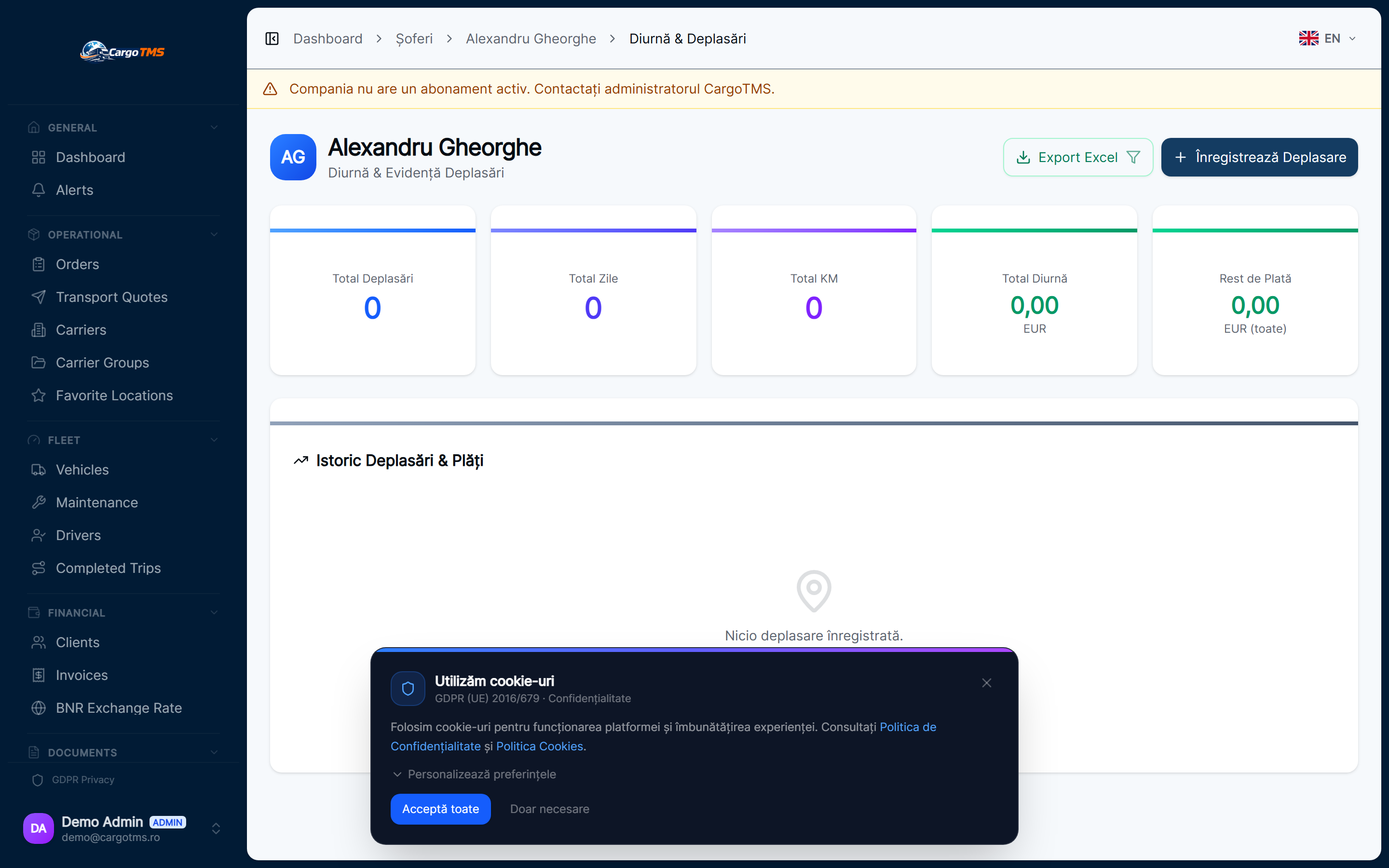
A transport dispatcher's day is built around interruptions. The most frequent are calls to and from drivers: status checks, document requests, instruction clarifications. Each call is short, but the accumulated interruption cost across a full dispatch day is significant — and it scales with fleet size. For a dispatcher managing 20+ active loads simultaneously, the call volume becomes the limiting factor on operational capacity. The driver portal changes this from a people problem to a process problem — and process problems have systematic solutions.
The Anatomy of a Dispatcher's Call Volume
Most dispatcher-driver calls fall into a small number of recurring categories: order information ("what are the loading address details?"), status updates ("have you loaded yet?", "are you at the delivery point?"), document collection ("send me the signed CMR"), and exception handling (delays, issues at loading, documents missing at delivery). Of these category types, only the last genuinely requires real-time voice communication. The first three are information problems that a driver portal solves structurally — by putting the information and confirmation workflow in the driver's hands on their phone.
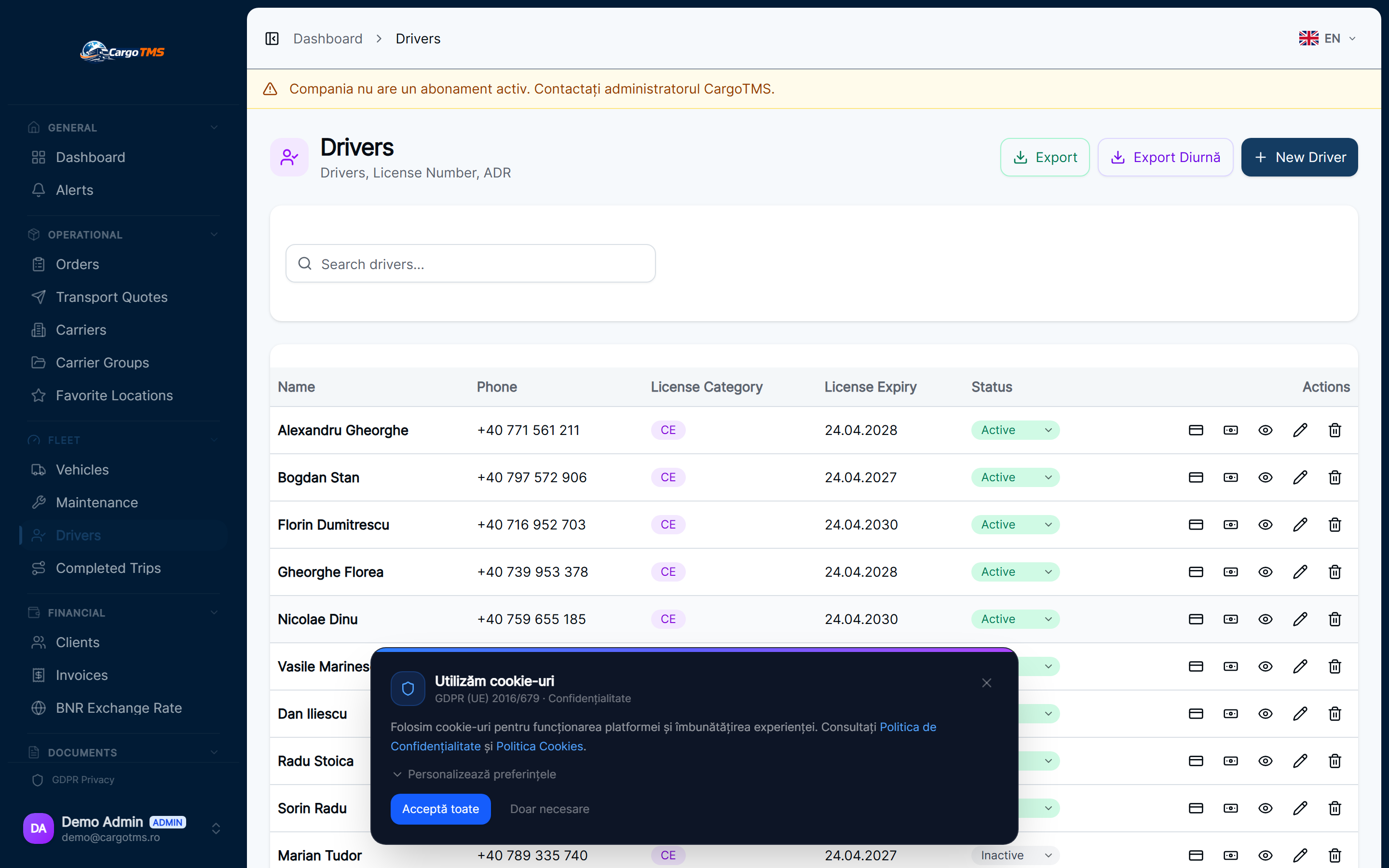
Order Information Without the Call
When a driver receives an order through the CargoTMS Driver App, all the relevant information is immediately available on their phone: loading and delivery addresses, contact details, cargo specification, reference numbers, and special instructions. There's no need to call the office to ask for the address or clarify the cargo — it's all in the order notification. This alone eliminates a significant category of routine calls, particularly on complex multi-stop routes where dispatchers would otherwise need to send details by WhatsApp or SMS separately.
Status Confirmation Without Chasing
The driver app allows drivers to confirm loading and delivery directly from the delivery location. When a driver taps "Loaded" or "Delivered", the status is updated in CargoTMS in real time — visible to the dispatcher, the client, and the carrier portal simultaneously. The dispatcher doesn't need to call to find out if the load was collected. The client doesn't need to call the transport company to check if their delivery has arrived. The status is visible to everyone who needs it, without any phone call.
CMR Collection Without WhatsApp
Document collection via WhatsApp is one of the most common informal workarounds in transport. Drivers photograph CMRs and send them to a dispatch group or directly to a dispatcher's phone, where they need to be manually saved, renamed, and filed. In CargoTMS, the driver uploads the CMR directly from the delivery confirmation screen — it's linked automatically to the correct order and immediately visible in the document archive. No intermediate steps. No risk of the document being lost in a chat history.
The Operational Impact of Fewer Interruptions
The value of a driver portal isn't only the reduction in call volume itself — it's the quality of the dispatcher's work that's possible when interruptions are reduced. A dispatcher who isn't constantly switching between active dispatch work and routine status calls can manage more loads simultaneously, respond more effectively to genuine exceptions, and make better operational decisions. The capacity increase that comes from reducing the routine call volume is one of the most tangible ROI metrics from TMS adoption.
💡 Conclusiones Clave
- Ensure drivers have the app installed and receive their first order through it — the learning curve is minimal.
- Set up automated status notifications to clients so they don't call your office for updates that the system already has.
- Enable document alerts so dispatchers see missing CMRs immediately after delivery — before the driver has left the location.
- Use trip confirmation as a trigger for invoice preparation — reducing the gap between delivery and billing.
- Review which call category remains after driver app adoption — the residual volume reveals the genuine exception rate.
A driver portal doesn't change the relationship between dispatcher and driver — it changes the communication infrastructure that relationship relies on. When routine status, document, and information exchanges move to the app, dispatchers and drivers both get back some of the most valuable resource in transport: uninterrupted time to focus on what actually needs their attention.
Preguntas Frecuentes
Does the driver need a data plan to use the app?
Yes, the app requires a mobile data connection for order updates and document uploads. In practice, minor data usage for operational data is standard in driver roles across Europe and is typically covered by the company.
What happens if a driver doesn't confirm loading on time?
The order status remains at the previous stage, and any configured alerts for missing confirmations are triggered. The dispatcher is notified of the outstanding confirmation without needing to monitor individual orders manually.
Can drivers see their payment and expense records in the app?
Yes. Drivers can view their trip history, associated expenses, and payment summaries in the driver portal — reducing the frequency of calls asking about payments and providing a transparent record of completed work.
Is the driver app available in multiple languages?
Yes. The CargoTMS Driver App supports Romanian, English, Spanish, and Polish — reflecting the multilingual nature of European road transport fleets.
¿Quieres ver esto en CargoTMS?
Solicita una demo gratuita personalizada. Te mostramos exactamente el flujo de trabajo descrito en este artículo.
🚀 Solicitar Demo Gratuito